
Most people think aging is something that happens over time, but a significant part of it begins inside your cells. Deep in every strand of DNA sit telomeres, protective caps that work like the plastic tips on shoelaces. They keep your chromosomes safe from harm, but they shorten each time your cells divide. Once they become too short, the cell stops functioning properly, enters a shutdown mode, or dies.
This steady shrinkage acts like a built-in timer, pushing your body toward age-related decline.
Scientists now view telomeres as one of the strongest indicators of how rapidly your body ages. When telomeres shrink too quickly, the risk of heart disease, type 2 diabetes, weakened immunity, and certain cancers increases. Short telomeres do not guarantee disease, but they make your body far more vulnerable.
That is why understanding how to protect them may be one of the most powerful steps you can take toward better long-term health.
This affects your energy, your resilience, and even how quickly you recover from injury or illness. Your body ages on the outside because your cells are aging on the inside. The link is that direct.
Researchers have found that preserving telomere length targets one of the core features of biological aging. Instead of treating problems as they appear, you aim at the source. It shifts the focus from managing symptoms to slowing the process that causes them.
How Lifestyle Influences Your Telomeres
Your habits play a major role in how fast your telomeres shorten. Many people believe that aging is primarily determined by genetics, but daily choices significantly influence the pace of cellular wear and tear. The biggest drivers behind telomere loss are oxidative stress and inflammation. These two processes damage cells and speed up aging far more than most people realize.
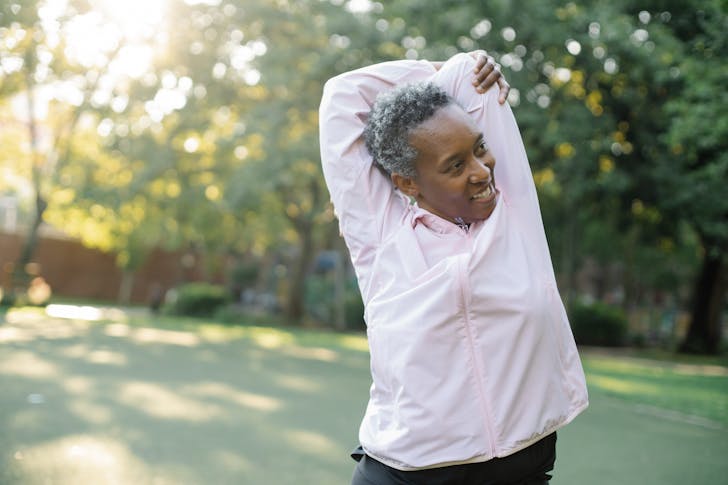
Exercise stands out as one of the strongest protectors against this phenomenon. Regular movement appears to aid cells in repairing damage and maintaining telomere length. An extensive U.S. study linked consistent strength training to over three years of reduced biological aging, and endurance training showed similar advantages, especially in older adults.
Chronic stress is another major threat. Long-term tension raises stress hormones that harm telomeres and weaken your immune system. Simple practices like meditation, slow breathing, or gentle yoga can help calm your mind and support better cellular health. These habits reduce stress chemicals that cause inflammation, giving your cells a break from constant pressure.
A New Paradigm for Wellness

This approach views aging as something you can influence, rather than something you must simply accept. Telomeres give you a window into how fast your body is wearing down and how you can slow the pace.
Longer telomeres are tied to a lower risk of all-cause mortality, which means a better chance of living longer and staying healthy as you age. Some research suggests that this could reduce your overall risk by 20 to 30 percent. That is not a small shift. That is the kind of impact most people hope for from medicine, but you can support it through everyday actions.
When you combine regular exercise with a nutrient-rich diet, strong sleep habits, and stress management, you are doing more than checking boxes. You are building a lifestyle that protects your cells at the deepest level. These choices work together to boost your energy, sharpen your mind, and strengthen your immune system. You may feel better day to day, but the real payoff shows up over the years.