
Video games are everywhere now. Phones, consoles, laptops, and tablets make it easy to play anytime. For many people, gaming is how they relax, connect with friends, or blow off steam after a long day.
The real question is not if games are good or bad. It is how they fit into your daily life. Research keeps pointing to the same truth: Gaming habits matter more than gaming itself. When balance slips, health issues follow. When limits exist, games can actually support well-being.
How Gaming Can Strain Your Body?
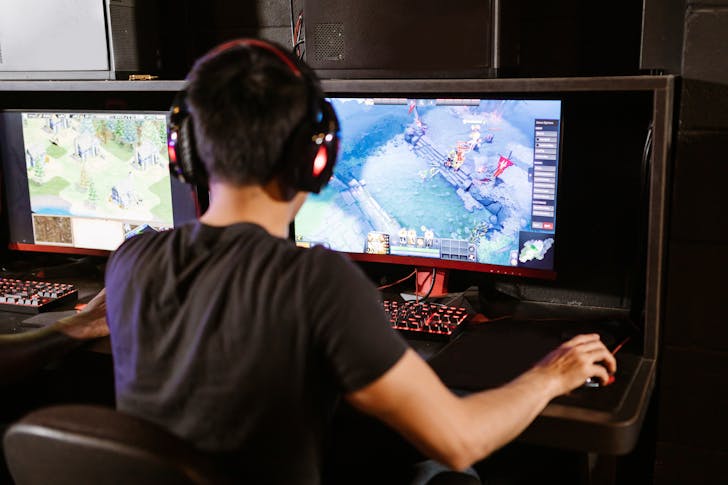
Plus, your back stays still for hours. Over time, your body pushes back.
Studies from 2024 show that playing for three or more hours in one stretch raises the risk of eye fatigue and joint pain. Players report soreness in the wrists, hands, neck, and lower back. Conditions like gamer’s thumb and tendon inflammation show up often, especially in people who ignore early warning signs.
Your eyes also take a hit. Staring at a screen without breaks dries them out and blurs vision. Headaches creep in. Focus drops. This cluster of symptoms is known as computer vision syndrome, and gamers feel it more than they realize.
Gaming also encourages long periods of sitting. That matters. When movement drops and snacks increase, weight gain becomes more likely.
What Games Do to Your Mind?
Gaming affects mental health in complex ways. For some people, games offer relief. For others, they create stress. The difference often comes down to control.
Problematic gaming behavior is now widely recognized by health professionals. Internet Gaming Disorder describes a pattern where gaming takes priority over daily life. People struggle to stop, even when school, work, or relationships suffer. Mood swings and irritability show up when gaming stops.
Sleep often becomes the first casualty. Late-night sessions push bedtimes later. Blue light keeps the brain alert. Poor sleep then fuels anxiety, low mood, and focus problems during the day. The cycle feeds itself.
Research also shows that neurodivergent players, including those with ADHD or autism, may be more vulnerable. Games offer structure, predictability, and instant feedback. That combination can make it harder to walk away once play starts.
When Gaming Actually Helps?
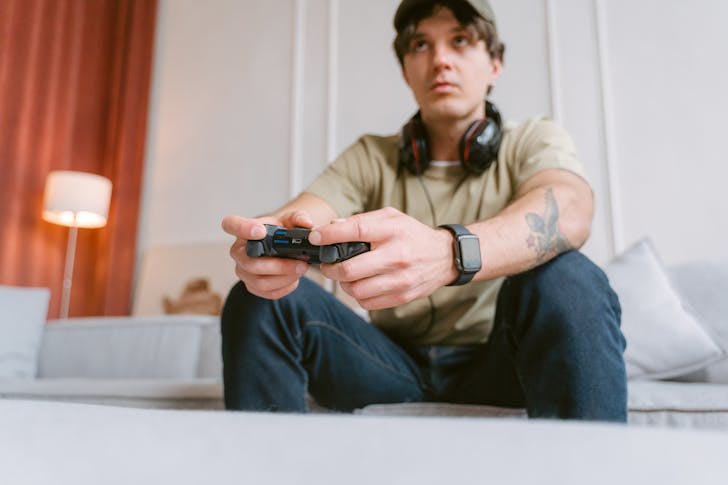
Many studies show that games can lower stress by pulling attention away from pain or worry.
Puzzle and strategy games sharpen problem-solving skills. Action games can improve reaction time and spatial awareness. Creative games encourage planning and imagination in ways textbooks rarely do.
Multiplayer games also create social spaces. For people who feel isolated, gaming can offer connection and teamwork. Talking, laughing, and cooperating with others can lift mood and reduce loneliness, especially when in-person options are limited.
The key is awareness. Games help when they add to life, not when they replace it.
How to Build Healthier Gaming Habits?
Most gaming-related health problems are preventable. Small changes make a big difference. Your body needs movement, rest, and variety.
Regular breaks are essential. The 20-20-20 rule works well for eye health. Every 20 minutes, look at something 20 feet away for 20 seconds. Stand up. Stretch your hands and shoulders. Reset your posture before sitting back down.
Your setup matters too. Screens should sit at eye level. Chairs should support your lower back. Wrists should stay neutral, not bent. These adjustments reduce strain without killing the fun. Food choices count as well. Snacking during gaming is common, but it adds up fast. Drinking water and choosing real meals over constant grazing helps protect long-term health.