Hosting a meal should feel warm and human, not tense. When one of your guests has an eating disorder or food anxiety, that goal matters even more. The meal is not the main event. The people are.
You do not need expert training or perfect words. You need awareness, flexibility, and a calm presence. This guide shows you how to plan, serve, and host in ways that lower stress and build trust without making food the center of attention.
Start With the Right Goal
Your job as a host is not to manage what anyone eats. It is to create a space where guests feel safe enough to show up. That means emotional safety first, food second.
When people feel watched, judged, or pushed, anxiety spikes fast. When they feel relaxed and respected, eating often becomes easier on its own. Pressure backfires. Comfort helps.
Communicate With Care Before the Event

Say you want them to feel comfortable, then stop talking and listen.
A short message works best. Something like, “I want this to feel easy for you. Is there anything I can do to help?” That puts control in their hands, where it belongs.
If they have not shared a diagnosis, do not ask for one. Never guess. Offer flexibility instead. Let them know they are welcome to bring a dish they feel safe eating, no explanation needed.
Plan the Menu Without Adding Pressure
Menu structure matters more than fancy recipes. One rigid plated meal can feel like a spotlight. Choice lowers anxiety because it gives people control.
Serve food family-style or buffet-style when you can. This lets guests choose what and how much to eat without commentary. No one has to explain their plate.
Share the menu ahead of time if possible. Surprise fuels anxiety. Knowing what will be served helps guests prepare mentally, which can make a huge difference on the day.
Watch Your Language Around Food
Words carry weight, especially around food. Labels like healthy, indulgent, cheat meal, or guilt-free can trigger shame and rigid thinking.
Describe food in neutral ways. Talk about flavor, texture, or tradition if you talk about it at all. Better yet, let the food speak for itself.
Set the Tone During the Meal
As the host, people follow your lead. If you act calm and relaxed, others usually do too. Keep the focus on connection, not consumption.
Never comment on what or how much someone is eating. Not praise, not concern, not jokes. Silence is kindness here. Avoid body talk completely. No compliments on weight, no talk about size, no glow-up comments. Even positive remarks can reinforce a harmful focus.
Steer Conversation Away From Diet Talk
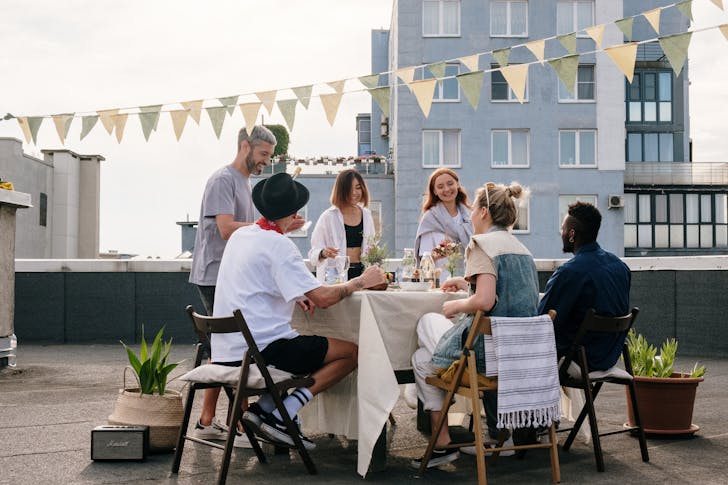
Say something light and firm. Try, “I am over food rules. Tell me about that trip you took.” Then move on.
Changing the subject helps everyone, not just one guest. It signals that this table values people, not food control.
Conversation helps, but activities help too. Music, a casual game, or a shared story pulls focus away from plates. You can also pace the meal slowly. Long gaps between courses can raise anxiety. Keep things flowing without rushing.
When the energy stays social, food stops feeling like a test. That shift matters more than any menu choice.