
Fresh salad greens are a healthy addition to everyday meals, but they can also carry harmful germs if they are not handled properly. Recent concerns over cyclosporiasis, a parasitic illness that can cause severe diarrhea, have raised questions about the safest way to prepare fresh produce.
Although health officials have not confirmed the source of the current outbreak, previous Cyclospora cases have been linked to cilantro, basil, raspberries, and leafy greens.
Leafy vegetables grow close to the soil, where they may come into contact with contaminated irrigation water, animal waste, or dirt. Since many of these greens are eaten raw, cooking does not remove harmful microorganisms.
Simple food safety habits, including proper washing, storage, and, in some cases, blanching, can help lower the risk of foodborne illness.
Why Leafy Greens Need Careful Cleaning
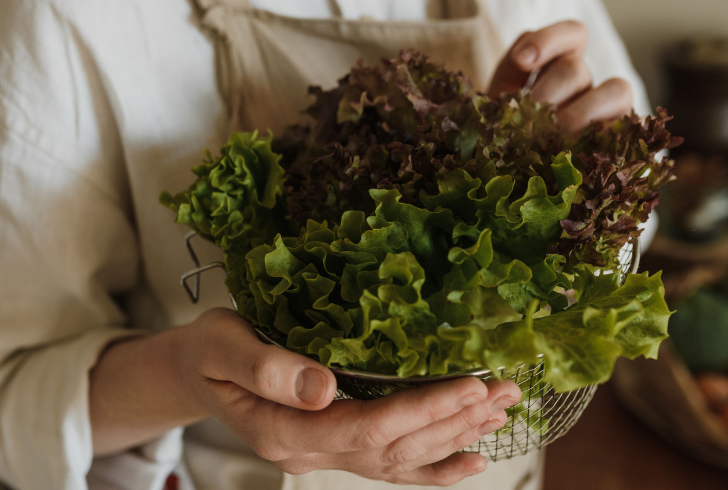
Unlike vegetables that are usually cooked before eating, salad greens often go straight from the package to the plate. According to Francisco Diez-Gonzalez, PhD, director of the Center for Food Safety and professor of food science and technology at the University of Georgia in Griffin, leafy greens are often linked to foodborne outbreaks because they are eaten without a cooking step that destroys microorganisms after harvest.
Although washing cannot remove every harmful germ, it can significantly reduce contamination found on the surface of the leaves. Selecting fresh produce, washing it correctly, and storing it properly all play an important role in food safety.
How to Wash Salad Greens Properly
Cleaning leafy greens does not require special products. Food safety specialists recommend a simple process using clean water and good kitchen hygiene.
1. Prepare the Kitchen First
Start by washing your hands with warm water and soap before handling any produce. Clean countertops, cutting boards, knives, and other kitchen tools with hot soapy water. This step helps prevent bacteria from spreading from other foods or surfaces.
2. Soak, Swish, and Rinse
If the greens contain visible dirt or grit, place them in a clean bowl filled with cold water. Gently move the leaves through the water to loosen soil and debris. Lift the leaves out instead of pouring the water over them, which can redeposit dirt.
Next, rinse each leaf under cool running water. This removes remaining dirt, small particles, and many microorganisms attached to the surface.
3. Dry the Leaves Well
Remove excess moisture with a clean salad spinner or fresh paper towels before storing or serving the greens.
According to Dr. Diez-Gonzalez, washing removes about 90% of the microorganisms found on the surface of leafy greens. Drying with paper towels helps remove additional microbes while reducing moisture that speeds up spoilage.
When Blanching Is a Better Choice
Some leafy vegetables benefit from blanching, especially when they will be cooked or frozen instead of eaten raw. Blanching exposes vegetables to boiling water for a short time before quickly cooling them in ice water.
Martin Bucknavage, senior food safety and quality specialist at Penn State University in State College, explains that blanching is mainly used before freezing. It preserves color, slows enzyme activity that causes vegetables to soften during freezing and thawing, and also destroys many harmful germs.
Heat is highly effective against bacteria such as E. coli and Salmonella, making blanching an added food safety measure beyond regular washing.
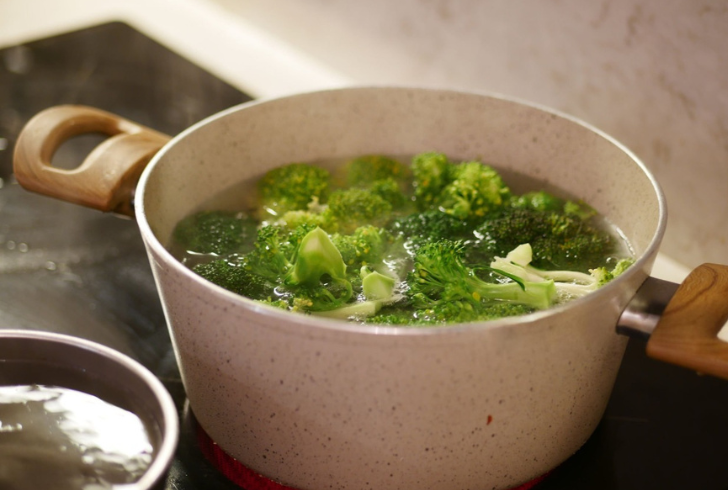
Simple Blanching Method
The process includes two quick steps:
1. Place the vegetables in boiling water for a short period.
2. Transfer them immediately into ice water to stop the cooking process.
Blanching works best for sturdy greens, including spinach, kale, swiss chard, and collard greens.
Dr. Diez-Gonzalez notes that blanching is not recommended for delicate salad greens such as lettuce because heat damages their crisp texture and fresh flavor.
Cleaning Methods That Do Not Improve Food Safety
Many home remedies claim to remove bacteria from produce, yet food safety experts say several popular methods provide little or no added protection.
1. Vinegar and Baking Soda
There is not enough scientific evidence showing that vinegar, baking soda, or homemade produce washes clean leafy greens better than cool running water. Dr. Diez-Gonzalez says baking soda does not make washing with plain water more effective.
2. Soap, Bleach, and Household Cleaners
Fresh produce should never be cleaned with soap, bleach, or household cleaning products. According to Bucknavage, leafy vegetables can absorb residues from these chemicals, which remain inside the leaves and may cause illness when eaten.
3. Rewashing Triple-Washed Greens
Bagged greens labeled as “triple-washed” or “ready-to-eat” do not need another rinse. Bucknavage explains that washing them again does not provide additional protection. Instead, it may introduce bacteria through cross-contamination and shorten shelf life by adding extra moisture.
Choosing Safe Salad Greens
Food safety begins at the grocery store. Careful selection helps reduce the chance of bringing contaminated produce home.
Choose leafy greens that are crisp and brightly colored, free from slimy spots, without excessive bruising or decay, and properly refrigerated.
Bucknavage points out that damaged leaves spoil faster, creating better conditions for bacterial growth.
Bagged salads remain a convenient option. Instead of avoiding them, inspect the package carefully. Select bags that feel cold, contain little excess moisture, have no damaged seals, and display a valid “use by” date.
People who prefer to wash produce themselves may choose whole, unprocessed greens instead of pre-packaged salads.
Keeping fresh produce separate from raw meat, poultry, and seafood is one of the easiest ways to reduce cross-contamination.
Store leafy greens in the refrigerator soon after bringing them home. Keep them away from raw animal products in both shopping carts and grocery bags. Clean storage containers and proper refrigeration help maintain freshness while limiting bacterial growth.
Does the Country of Origin Matter?
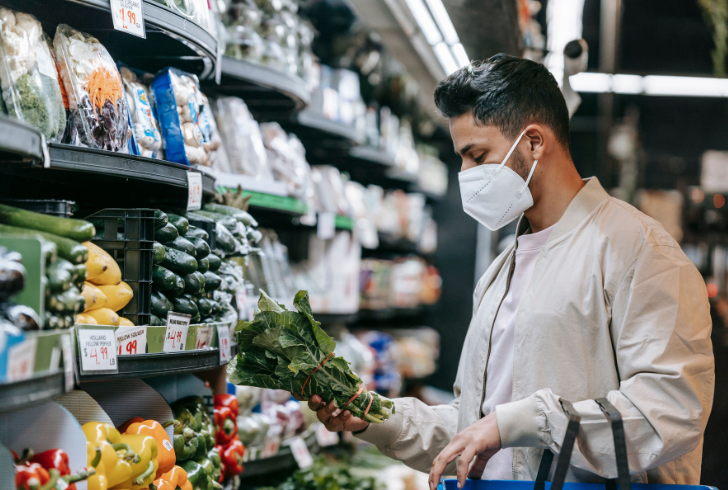
Some shoppers assume imported produce carries a higher risk of contamination, but experts say the country where produce is grown does not reliably predict food safety.
Dr. Diez-Gonzalez explains that both domestic and imported produce must meet food safety standards. Previous foodborne outbreaks have involved products from different regions, and available evidence does not show that one source is consistently safer than another.
Instead, paying attention to public health alerts and official food recalls offers better protection than judging produce by its origin.
Paying Attention During Foodborne Outbreaks
When health agencies identify a food linked to an outbreak, avoiding that specific item for a short time may be a sensible precaution. This advice is especially important for people at higher risk of serious illness, including older adults, pregnant women, individuals with weakened immune systems, and those with certain medical conditions.
Bucknavage advises consumers living in areas heavily affected by an outbreak to consider avoiding products identified by state officials until more information becomes available. Those with health concerns may also choose alternative vegetables while investigations continue.
Fresh salad greens remain a nutritious part of a healthy diet, and there is no need to avoid them completely. Proper kitchen hygiene, careful washing under cool running water, thorough drying, safe storage, and blanching sturdy greens when appropriate can all help lower the risk of foodborne illness.
Following current public health advisories and recalling affected products provides another layer of protection, allowing fresh produce to remain a safe and enjoyable part of everyday meals.