
Snacking gets a bad reputation in the weight loss world. Many people blame snacks for stubborn weight gain and endless cravings. The truth looks very different when the snack is built the right way.
Nutrition experts agree that smart snack pairings can help control appetite and support digestion. The key lies in combining fiber-rich carbohydrates, lean protein, and healthy fats. This trio slows digestion and stabilizes blood sugar levels. Balanced blood sugar prevents sudden hunger spikes and helps you avoid overeating later in the day.
Another important factor involves gut health. Your digestive system houses trillions of bacteria that influence metabolism, inflammation, and even appetite. Foods that contain probiotics introduce helpful bacteria, while prebiotic fibers feed those microbes. When snacks include both elements, they support a healthier gut environment and improve digestion.
Single-item snacks rarely provide that balance. A plain piece of fruit digests quickly and may leave you hungry soon after eating. Pretzels or crackers provide quick carbohydrates but little staying power. Strategic pairings solve that problem by combining nutrients that work together.
Fresh Berries & Yogurt
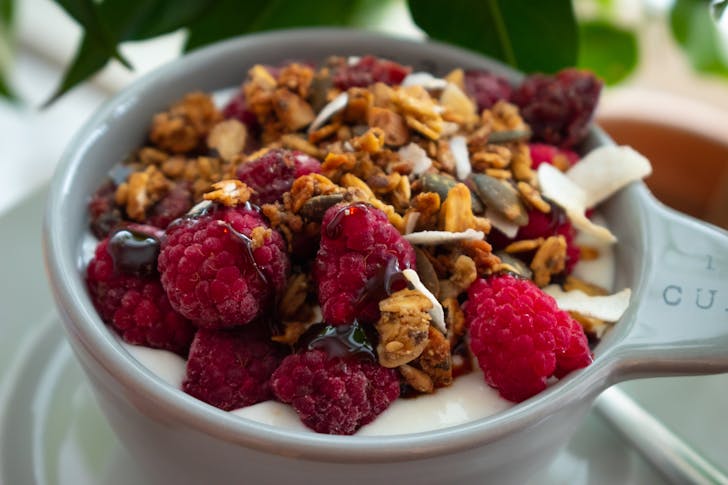
Essentially, Greek yogurt delivers a strong dose of protein, which slows digestion and keeps hunger under control. Protein also supports muscle maintenance, which plays a key role in maintaining a healthy metabolism during weight loss.
The berries add more than sweetness and color. Blueberries and raspberries supply fiber and plant compounds called polyphenols. Fiber feeds beneficial gut bacteria, while polyphenols help reduce inflammation in the digestive tract. Plain, unsweetened yogurt works best because added sugar can feed harmful bacteria and weaken the benefits.
Apple slices with peanut butter or almond butter create another simple but powerful pairing. Apples provide soluble fiber called pectin, which slows digestion and helps regulate blood sugar levels. Stable blood sugar helps prevent sudden hunger and energy crashes during the afternoon.
Nut butter brings protein and heart-healthy fats into the mix. These fats slow the absorption of carbohydrates from the apple, which keeps you satisfied longer. Research also connects monounsaturated fats found in nuts with reduced abdominal fat levels.
Plant-Based Snacks That Support Digestion
Vegetable sticks dipped in hummus deliver both crunch and nourishment. Carrots, cucumbers, celery, and bell peppers contain high water content along with fiber that supports digestion. These vegetables fill the stomach with very few calories, which makes them ideal for weight management.
Hummus strengthens the snack by adding plant protein and healthy fats. Chickpeas contain resistant starch, which reaches the colon and feeds beneficial bacteria. During fermentation, those bacteria produce compounds called short-chain fatty acids that support gut health and metabolic balance. The result feels satisfying and energizing rather than heavy.
Cottage cheese paired with fruit offers another strong option for a balanced snack. Cottage cheese contains casein protein, a slow-digesting protein that releases amino acids gradually. This steady digestion helps control hunger and supports muscle recovery throughout the day.
Smart Snacks That Nourish Your Gut
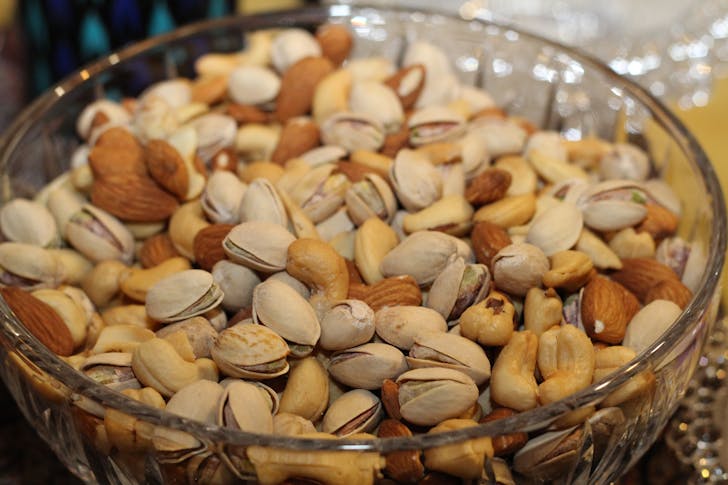
Prunes bring powerful digestive support into the pairing. Their fiber content helps promote regular bowel movements and supports beneficial gut bacteria. Emerging research also links prune consumption with improved bone density. Together, the two foods support gut health, metabolic balance, and skeletal strength.
Chia seed pudding provides a comforting snack that doubles as a digestive booster. When chia seeds soak in almond or coconut milk, they form a thick pudding thanks to their soluble fiber content. That fiber acts as a prebiotic, feeding beneficial bacteria in the gut and promoting smoother digestion.
They also provide omega three fatty acids that help reduce inflammation throughout the body. Adding berries increases the fiber content while delivering antioxidants that protect cells from damage.