
Dutch ovens all look similar at first glance. Heavy pot. Tight lid. Shiny enamel. But prices swing hard, from under $80 to well over $600. That gap is not random.
What you are really choosing is time versus money. A premium Dutch oven aims to last for generations. A budget one focuses on solid cooking right now, without the long-term promise.
What You Pay For in Premium Dutch Ovens?
Premium brands like Le Creuset and Staub cost more because of how they are made. These pots are still produced in France, using old-school methods that favor precision over speed.
Each piece is cast in its own sand mold, then inspected by multiple workers. That mold is broken after one use. This slows everything down and drives up labor costs, but it also means tighter control over shape, thickness, and balance.
The enamel is where things get serious. Premium brands use proprietary glass blends fired at extreme heat. The result is a smooth, dense coating that resists chips and absorbs less moisture and odor over time.
Plus, the cast iron underneath also matters. High-grade iron heats evenly and holds that heat longer. That steady warmth is what makes braises richer and bread crusts better.
Longevity seals the deal. These pots are built to survive decades of heavy use. That promise is backed by lifetime warranties that actually mean something. Many owners pass them down, stains and all.
What You Get with Affordable Alternatives?
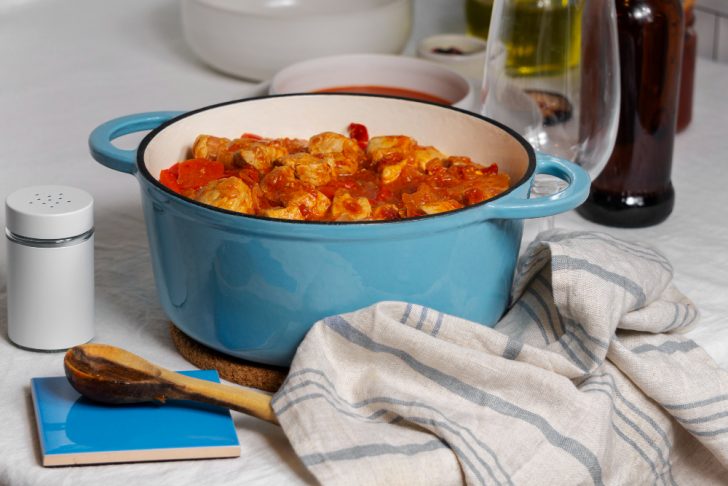
These pots handle the basics well. They sear meat, simmer sauces, bake bread, and braise short ribs without drama. Most are oven-safe up to 500°F and retain heat well enough for home cooking.
The compromises show up over time. Enamel is often thinner and more likely to stain or chip. Fit and finish can vary, especially around rims and handles. Mass production keeps costs down but sacrifices consistency.
Warranties may be limited or harder to use. Some brands replace defects easily. Others do not. Still, for under $100, the value can be hard to beat.
The Real Factors That Separate Them
Lids matter more than most people think. A tight seal keeps moisture where it belongs. Staub uses self-basting spikes that drip condensation back onto food, which boosts flavor during long cooks.
Cheaper lids tend to be flatter inside. They still work, but you may lose more moisture over time. That can mean drier roasts or thinner sauces.
Interior enamel color also plays a role. Light interiors help you see browning and fond clearly. They do stain. Dark interiors hide wear and promote strong browning, but make it harder to judge color.
Weight and handles affect daily use. Premium pots are heavy, often over 12 pounds empty. Handles are shaped for balance and grip. Some budget models feel clumsier when full.
Apart from that, many modern brands use stainless steel knobs rated for high heat. Some cheaper or older models still use plastic with lower oven limits.
Which One Should You Buy?
If you cook occasionally, want a backup, or are building your kitchen slowly, a budget model is the smart play. You get strong performance without financial stress.
Both will cook great food. Remember, the difference is not taste on day one. It is how that pot looks and performs ten years from now.