
College meals often come down to whatever is cheap, quick, and easy to stock in a cramped dorm room. That reality explains why instant ramen remains a campus staple year after year.
While many people see ramen as a last-minute survival meal, creative cooks have found surprisingly clever ways to turn those noodle packs into something far more satisfying. One unusual idea has started gaining attention for good reason: using ramen noodles as a pizza crust.
The concept sounds chaotic at first, yet it works better than expected. Pizza crusts already come in many forms, from cauliflower bases to English muffins and zucchini slices. Ramen simply joins the list with a crispy texture and a chewy bite that feels surprisingly close to comfort food.
How Ramen Noodles Become Pizza Crust
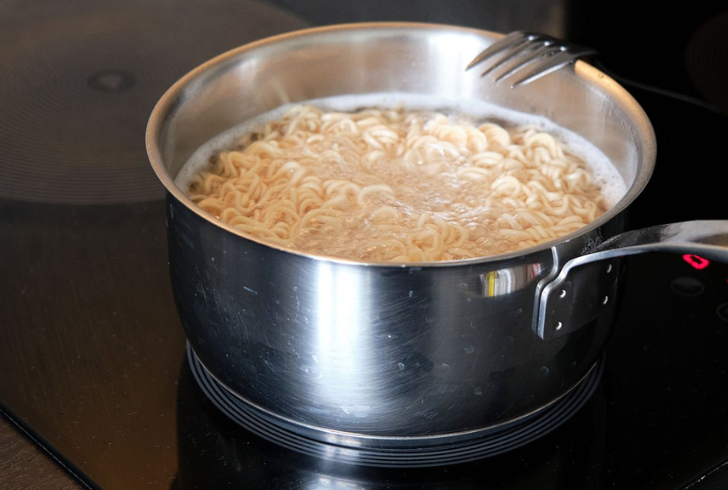
The process starts with boiling instant ramen until the noodles soften. This step matters because soft noodles become flexible enough to shape into a round crust. Once drained, the noodles are pressed into a lightly oiled skillet and cooked until the bottom turns crisp and firm.
After the crust holds together, it gets topped just like a standard pizza. Mozzarella cheese, pizza sauce, pepperoni, vegetables, or even spicy toppings work well on the noodle base. The skillet then moves into the oven so the cheese melts and the edges develop a crunchy finish.
The result delivers a mix of textures that traditional dough cannot copy. The curly noodles create small crispy pockets while still holding enough structure to support heavier toppings.
Some recipes recommend mixing the ramen seasoning packet into the noodles before frying. Others skip it entirely to avoid overpowering the pizza flavors.
Easy Ways To Upgrade Instant Ramen
Ramen’s appeal goes beyond affordability. The noodles absorb flavor quickly, which makes them useful in many fast meal ideas. Simple additions can completely change the taste and texture without much effort.
A soft-boiled egg adds richness and protein, while peanut butter creates a creamy, savory broth with a slightly nutty finish. Some cooks stir in milk for a smoother texture that feels closer to restaurant-style ramen.
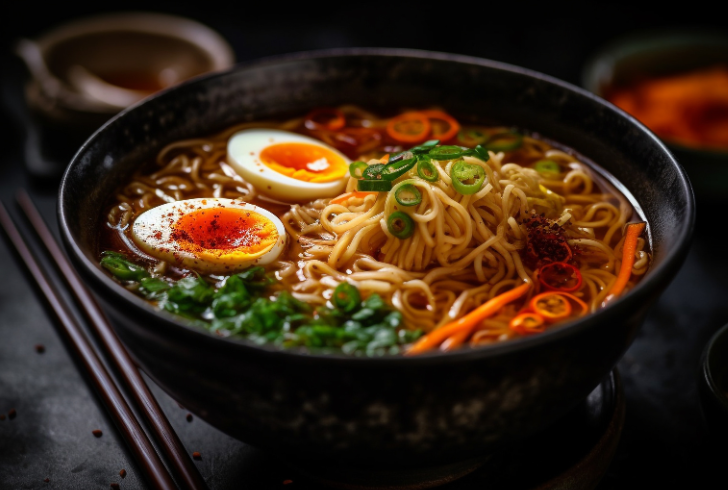
Garlic, ginger, and Sriracha also make a noticeable difference because aroma plays a major role in how flavor is experienced.
Store-bought seasoning packets only provide one direction for flavor. Instant noodles work well with soy sauce, chili oil, sesame paste, green onions, or even melted cheese.
That flexibility explains why ramen remains popular far beyond college kitchens.
Other Unexpected Ramen Hacks
The pizza crust idea is not the only unusual ramen experiment making rounds online. Cooked noodles can also replace hamburger buns by shaping and frying them into compact rounds. The texture becomes slightly chewy while still sturdy enough to hold burgers or sandwiches.
Another favorite involves pressing ramen into a waffle iron. The noodles crisp up into a patterned waffle shape that works for savory breakfasts or sweet dessert combinations.
Adding an egg helps bind the noodles together and keeps the shape stable during cooking. Vegan versions often use aquafaba for the same purpose.
Instant ramen continues to inspire creative recipes because it is inexpensive, adaptable, and easy to prepare in small spaces. What begins as a simple packet of noodles can turn into pizza crusts, waffle creations, or crispy sandwich buns with minimal effort. These playful food hacks also prove that budget meals do not have to feel repetitive or boring.